
What We Heard - Indigenous Youth Engagement Circle

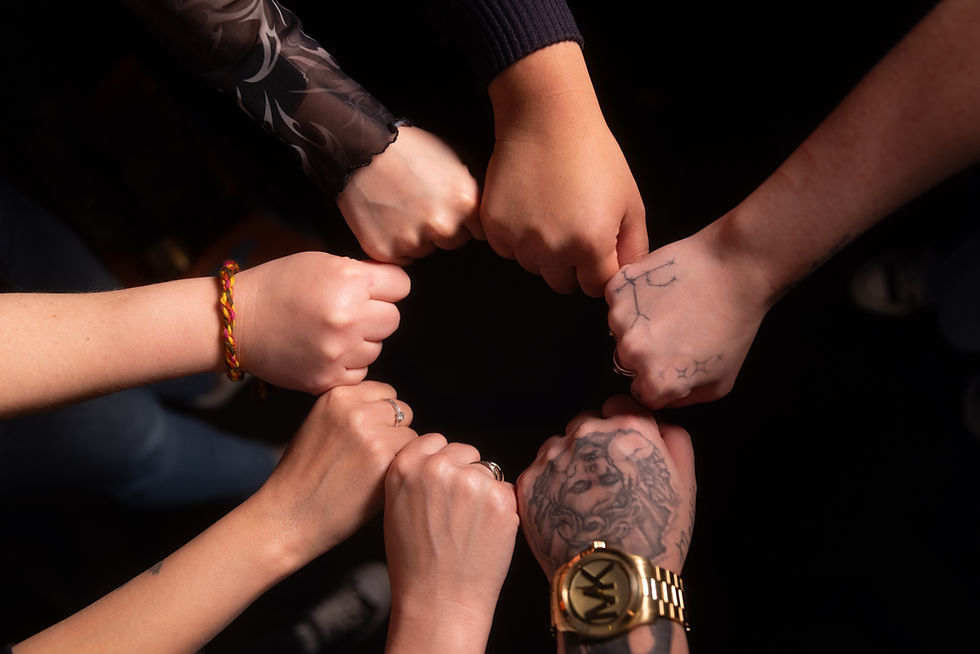
In June 2026, LPC hosted an Indigenous Youth Engagement Circle session, which was the first of an ongoing series created to ensure that Indigenous youth voices are meaningfully included in shaping LPC’s work. This opening Circle offered thoughtful insight, lived experience, concerns, hopes, and practical recommendations related to how professionals and organizations can work more respectfully and safely alongside Indigenous youth.
We want to share what we have learned with an acknowledgement of the magnitude of the trust put into us to do it well, follow through, and offer the proper respect these teachings deserve.
So before anything else, we want to begin with gratitude.
To every Indigenous youth that showed interest and joined our first Youth Engagement Circle: hay cxʷ q̓ə
Thank you for sharing your time, your stories, your honesty, your wisdom, and your vision for what is possible. Your willingness to speak openly about your experiences and your hopes for the future is a gift that deserves to be met with deep gratitude and respect, meaningful action, and lasting accountability.
Far too often, Indigenous youth are invited to share their perspectives without seeing real change follow. This Circle was created with the intention to ensure that the voices of Indigenous youth are included when we are planning our work ahead. The insights shared with us are already influencing how we develop learning opportunities, resources, and guidance for professionals and organizations working alongside Indigenous youth.
This report back is not intended to represent the experience of every Indigenous youth. Rather, it reflects the themes, concerns, recommendations, and aspirations shared by the youth who participated in our Indigenous Youth Engagement Circle. Their voices remind us that cultural humility is an ongoing practice, that safety is not possible without accountability, and that trust is built through consistency, respect, and follow-through. Most importantly, they remind us of a truth that should guide every decision: nothing about Indigenous youth should happen without Indigenous youth.
As you read through our seven key learnings, we invite you to grow with us. We hope you will reflect, learn, and consider how these voices can inspire meaningful change within your own work, relationships, and communities. Because when Indigenous youth are given a genuine seat at the table, everyone benefits, and together, we move closer to creating systems that are more compassionate, culturally safer, and rooted in respect.

1. Indigenous Youth Want to Be Heard and See Action Follow
One of the clearest messages shared is that Indigenous youth are often asked to share their experiences, but do not always see meaningful change afterward. Youth emphasized that of course listening is important, but listening alone is not enough.
Organizations and professionals need to demonstrate that they have heard Indigenous youth by changing policies, practices, environments, and relationships.
What this means for professionals:
Do not invite youth into conversations only to “check a box.”
Be clear about why youth are being consulted and how their feedback will be used.
Report back on what was heard and what actions will be taken.
Be honest when change may take time, while still identifying immediate steps that can be taken now.
Build accountability into the process, rather than placing the responsibility on youth to repeatedly advocate for themselves.
2. Cultural Humility Matters More Than “Cultural Competency”
Youth spoke about being misunderstood by professionals who may have received some training but still lacked a genuine understanding of Indigenous Peoples, identities, histories, and lived realities.
There was a strong message that professionals do not need to become experts in every Indigenous culture. However, they do need to approach Indigenous youth with humility, curiosity, respect, and a willingness to learn.
What this means for professionals:
Do not assume that one Indigenous experience represents all Indigenous Peoples.
Avoid making youth explain or prove their identity, culture, family, or experiences.
Recognize the diversity of Indigenous identities, including First Nations, Métis, Inuit, urban Indigenous, Two-Spirit, LGBTQ2S+, and mixed-identity youth.
Ask respectful questions when appropriate, while recognizing that youth are not responsible for educating every professional around them.
Understand that cultural safety is determined by the person receiving care, support, education, or service, not by the intentions of the professional.
Avoid assumptions about gender, sexuality, family structure, ability, culture, or identity.
Recognize that Indigenous youth may hold multiple identities and may experience multiple forms of discrimination at once.
Respond to youth with care, patience, and belief—especially when they are sharing difficult experiences.
Ensure youth have access to support people, advocates, Elders, Knowledge Keepers, peers, and culturally relevant resources when possible.
3. Safety Includes Emotional, Cultural, and Identity Safety
Youth described experiences in schools, healthcare settings, and other systems where they did not feel understood, respected, or safe.
For some youth, this included feeling dismissed in healthcare settings. For others, it included challenges finding support that understood both their Indigenous identity and other parts of who they are, including neurodivergence, gender identity, sexuality, or mental health experiences.
This reminds us that cultural safety cannot be separated from emotional safety, identity safety, and dignity.
What this means for professionals:
Create environments where youth do not have to hide parts of themselves to receive respectful support.
Avoid assumptions about gender, sexuality, family structure, ability, culture, or identity.
Recognize that Indigenous youth may hold multiple identities and may experience multiple forms of discrimination at once.
Respond to youth with care, patience, and belief—especially when they are sharing difficult experiences.
Ensure youth have access to support people, advocates, Elders, Knowledge Keepers, peers, and culturally relevant resources when possible.
4. Relationships Matter, Especially When Systems Feel Unstable
Youth identified high staff turnover, miscommunication, and inconsistent support as major barriers.
When youth have to repeatedly retell their stories to new workers, teachers, counsellors, or service providers, it can create frustration, distrust, and emotional exhaustion. This is especially significant for youth who have experienced harm, instability, racism, trauma, or disconnection from services in the past.
What this means for professionals and organizations:
Prioritize consistency and relationship-building wherever possible.
Do not make youth repeatedly share personal information when systems can communicate responsibly with one another.
When staff transitions happen, support warm handoffs rather than abrupt changes.
Ensure youth know who they can go to when their primary support person is unavailable.
Recognize that trust is built over time through reliability, follow-through, and respectful communication.
5. Youth Need Spaces That Are Designed With Them, Not Just For Them
Youth shared the importance of having spaces that feel welcoming, accessible, and appropriate for different ages and needs.
This included ideas such as open-door approaches, separate spaces for different age groups, and environments where youth can feel comfortable without fear of judgment.
The message was clear: youth should have a role in helping shape the spaces, programs, and services intended for them.
What this means for professionals:
Ask youth what would help a space feel safer, more welcoming, and more accessible.
Consider age, developmental stage, privacy, sensory needs, and cultural needs when designing programs.
Avoid one-size-fits-all approaches to youth engagement.
Create opportunities for youth to connect with one another in healthy, respectful, and supported ways.
Ensure youth know they are welcome, not burdensome, and not “too much” when they need support.
6. Mental Health and Substance Use Supports Must Be More Responsive
Youth raised concerns about gaps in mental health support and the ongoing impacts of the toxic drug crisis.
They spoke about the difficulty of finding support that is both culturally safer and responsive to the realities Indigenous youth may be facing.
This includes the need for services that understand the ongoing impacts of colonialism, racism, intergenerational trauma, poverty, displacement, grief, and barriers to care.
What this means for professionals and organizations:
Treat mental health and substance use concerns with compassion, dignity, and urgency.
Avoid judgmental, punitive, or dismissive responses.
Recognize that youth may have had harmful experiences with healthcare, emergency services, schools, child welfare, or other systems.
Offer culturally relevant supports where possible, including access to Indigenous counsellors, Elders, Knowledge Keepers, land-based opportunities, ceremony, and community connection.
Understand that support must be flexible, relationship-based, and responsive to the whole person, not only their immediate crisis.
7. Indigenous Youth Want a Seat at the Table
The Youth Engagement Circle itself reinforced an important message: Indigenous youth have insight, lived experience, creativity, and wisdom that can strengthen programs, policies, training, and systems.
Youth should not only be consulted after decisions have already been made. They should be included early, supported properly, and recognized for their contributions.
What this means for organizations:
Involve Indigenous youth early in planning and decision-making processes.
Compensate youth for their time, knowledge, and lived experience.
Offer different ways for youth to participate, including verbal, written, artistic, anonymous, virtual, and in-person options.
Avoid expecting youth to represent all Indigenous Peoples or all youth experiences.
Create opportunities for mentorship, leadership development, advocacy, and skill-building.
Guiding Principles Moving Forward
Based on what we heard, LPC will carry the following principles forward as we continue this work:
Nothing about Indigenous youth without Indigenous youth.
Listening must lead to action, accountability, and report back.
Cultural humility is an ongoing practice, not a completed training.
Youth safety includes emotional, cultural, spiritual, physical, and identity safety.
Relationships, consistency, and trust are foundational.
Indigenous youth are diverse; one approach will not meet every need.
Youth wisdom is valuable and deserves respect, recognition, and compensation.
Professionals must understand their own power, privilege, and responsibility within systems.
What Happens Next
At our future Youth Engagement Circles, we will continue to build on these themes and explore:
What culturally safer support from professionals looks like in practice
What youth wish adults and organizations understood better
What should be included in youth-specific training and guidelines
Examples of harmful practices that need to change
Examples of meaningful, respectful, and supportive practices that should be strengthened


Comments